

What is Seasonal Depression?

Steve Westfall • September 12, 2025

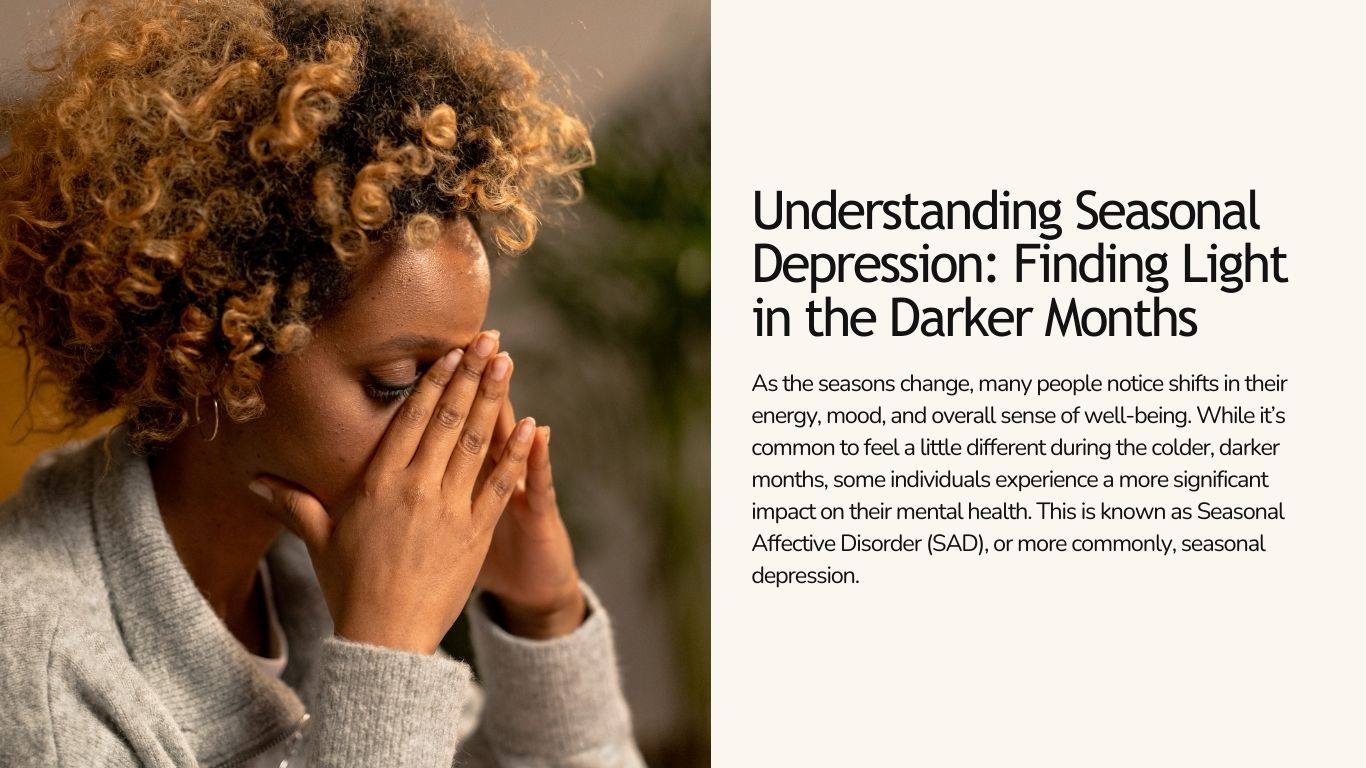
Seasonal depression is a type of depression that typically begins in the fall or winter, when daylight hours grow shorter, and improves during spring and summer. It goes beyond the “winter blues” and can interfere with daily life, relationships, and work.

Common Symptoms Include:

  • Persistent low mood or sadness
  • Loss of interest in activities once enjoyed
  • Fatigue or low energy
  • Difficulty concentrating
  • Changes in sleep or appetite
  • Feelings of hopelessness or guilt

Why Does It Happen?

Although the exact cause isn’t fully understood, reduced exposure to sunlight is thought to play a role. Shorter days may disrupt your body’s internal clock (circadian rhythm), affect serotonin levels (a mood-regulating chemical), and alter melatonin (which impacts sleep and mood).

Coping Strategies for Seasonal Depression

The good news is, there are ways to manage and ease symptoms:

  • Maximize natural light: Open curtains, take walks outside, and spend time near windows.
  • Light therapy: Special lamps that mimic sunlight can help regulate mood and energy.
  • Stay active: Exercise boosts serotonin and endorphins, improving mood and energy.
  • Maintain a routine: Consistent sleep and wake times can help balance your body clock.
  • Seek support: Talking with a trusted friend, joining a support group, or seeking professional counseling can make a big difference.

When to Seek Help

If symptoms of seasonal depression are persistent and affect your daily life, it may be time to reach out for professional support. Therapy, counseling, or other treatment options can provide the tools needed to navigate seasonal changes with resilience.


Remember: you are not alone. If you find yourself struggling during the darker months, help and hope are available.

Mind and Body Therapy GA Logo

At Mind and Body Therapy GA, we are committed to cultivating healing, resilience, and empowerment through our specialized psychotherapy services. Our mission is to establish a safe and culturally affirming environment where individuals can begin their transformative journey toward healing.

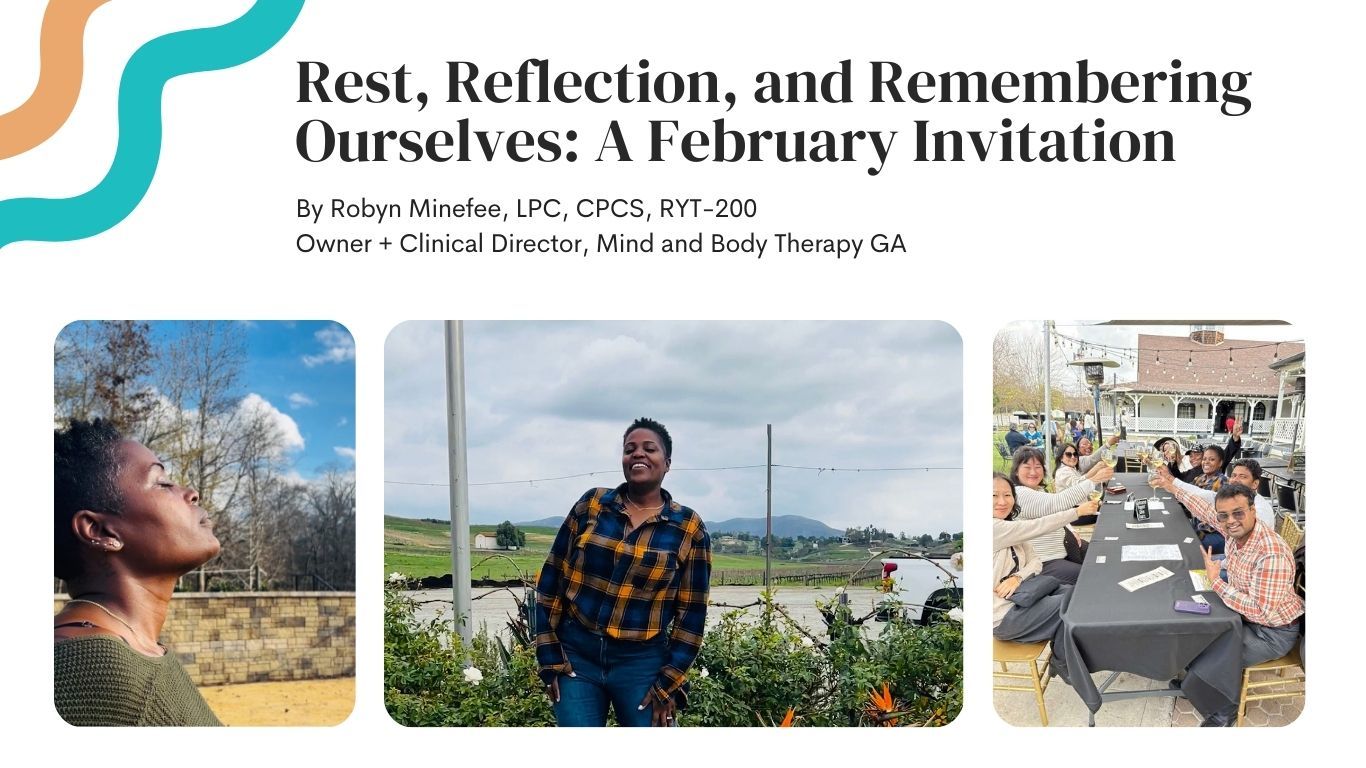
Presentation slide with three photos: woman near trees, smiling woman outdoors, people at a table.
By Steve Westfall • February 11, 2026
February invites us to slow down, reflect, and reconnect with ourselves through rest, healing, and intentional living at Mind and Body Therapy this month now.

Cover illustration of a black-and-white scene with two people sitting on a bench in a grassy field.
By Steve Westfall • January 9, 2026
A gentle reminder to slow down, listen to your nervous system, and meet yourself with compassion. A simple monthly check-in from Mind and Body Therapy GA.
Presentation on high-functioning depression with a man looking out a window, and two images of people in distress.
By Steve Westfall • December 11, 2025
Understand high-functioning depression and its impact. Seek support through our specialized psychotherapy services today.

Woman in white sweater outdoors beside a turquoise title card reading “Protecting Your Peace This Season.”
By Steve Westfall • November 3, 2025
Learn to set boundaries for emotional well-being this holiday season. Start your journey to peace today!
Collage: People high-fiving, open hand reaching out, word blocks spelling
By Steve Westfall • October 1, 2025
Prioritize your mental health this World Mental Health Day. Explore practices for well-being & connect with Mind and Body Wellness for support.

A woman is sitting on a couch drinking a cup of coffee.
By Steve Westfall • August 15, 2025
Honoring “no” in a culture that demands “yes” is an act of radical self‑respect—especially for Black folks whose bodies have historically been sites of labor, control, and adaptation.

A woman is sitting on a white couch stretching her arms.
By Steve Westfall • July 15, 2025
Reclaiming rest is a radical refusal of the narrative that our worth is measured by output. Through somatic therapy, Black folks can relearn the language of their bodies—recognizing fatigue as wisdom, pleasure as protest, and presence as power.

A man and a woman are sitting on a couch talking to a woman.
By Steve Westfall • June 16, 2025
Healing is not solely an individual journey; it is deeply rooted in community and cultural practices. Reconnecting with ancestral traditions, storytelling, music, and communal gatherings can provide a sense of identity and belonging.